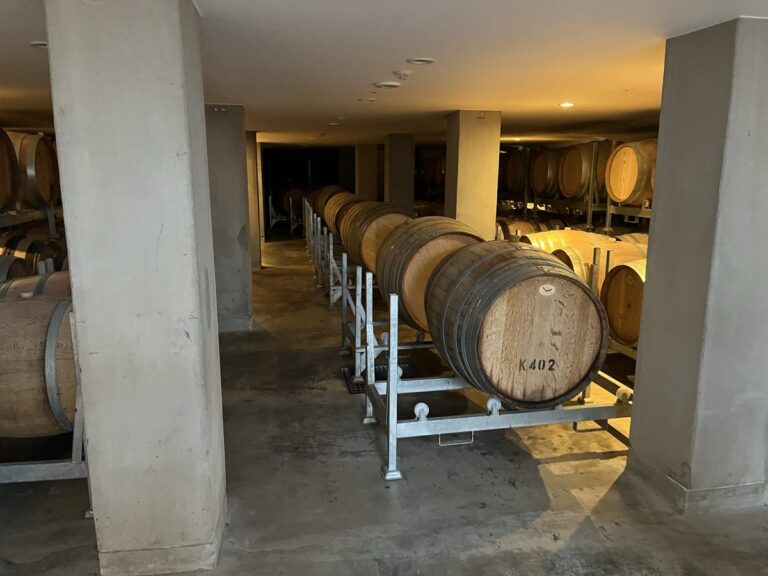
Walking Shiojiri’s Kikyogahara Wine Country: Izutsu, Goichi and Shinano Wine
Three historic wineries from Shiojiri Station, on foot in the rain
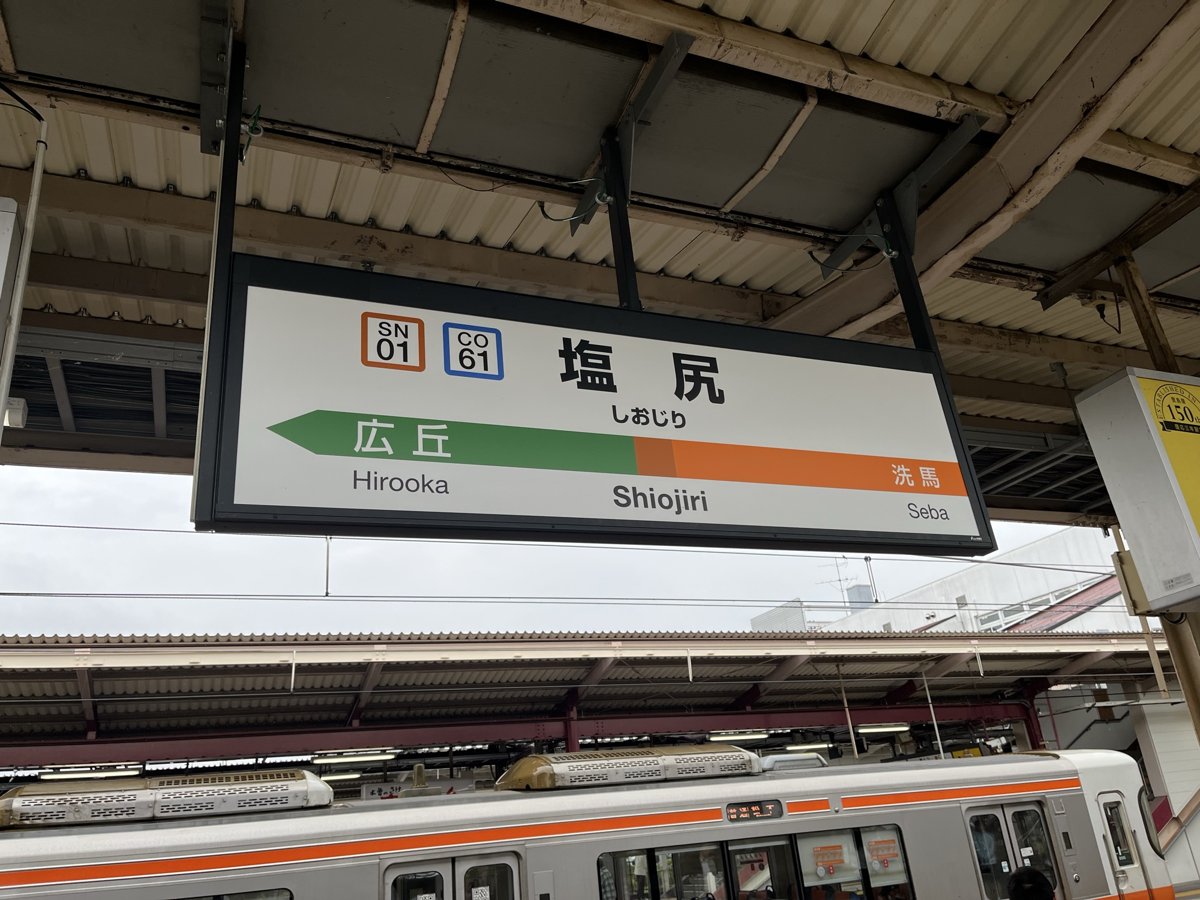
Kikyogahara, in Shiojiri City, Nagano, is one of Japan’s oldest wine regions and is best known for Merlot. On a rainy Saturday in late September 2026, I walked from Shiojiri Station to three wineries: Izutsu Wine, Goichi Wine and Shinano Wine. That evening in Matsumoto, I finally drank the Kido Winery Merlot I’d been chasing.
The short version
- You can walk it, but it’s farther than it looks. There are hills, and some stretches have no sidewalk. Combining walking with a taxi is safer.
- Goichi Wine is the highlight. Its free vineyard walk takes you to a Merlot vine that has lived for more than 70 years, and its Kikyogahara Merlot was my favorite wine of the day.
- The same Kikyogahara Merlot tastes different at every winery. That’s the fun of tasting them side by side.
Getting there
- From Tokyo: the Azusa limited express from Shinjuku to Shiojiri takes about 2 hours 20 minutes and is covered by the nationwide Japan Rail Pass (all seats reserved; reservations are free with the pass).
- From Nagoya: I took the 8:00 a.m. Shinano limited express from Nagoya and arrived in Shiojiri at 9:54 a.m. The Shinano is also covered by the Japan Rail Pass.
- To Matsumoto: a local train from Shiojiri to Matsumoto takes about 20 minutes and costs ¥260.
My day at a glance
- 9:54 a.m. Arrived at Shiojiri Station
- Walked to Izutsu Wine
- Goichi Wine (tasting and vineyard walk)
- Shinano Wine
- Walked back to Shiojiri Station; lunch at the station’s standing soba counter around 2 p.m.
- 2:35 p.m. Local train to Matsumoto. Dinner at a Matsumoto bistro with Kido Winery wines
Before you go
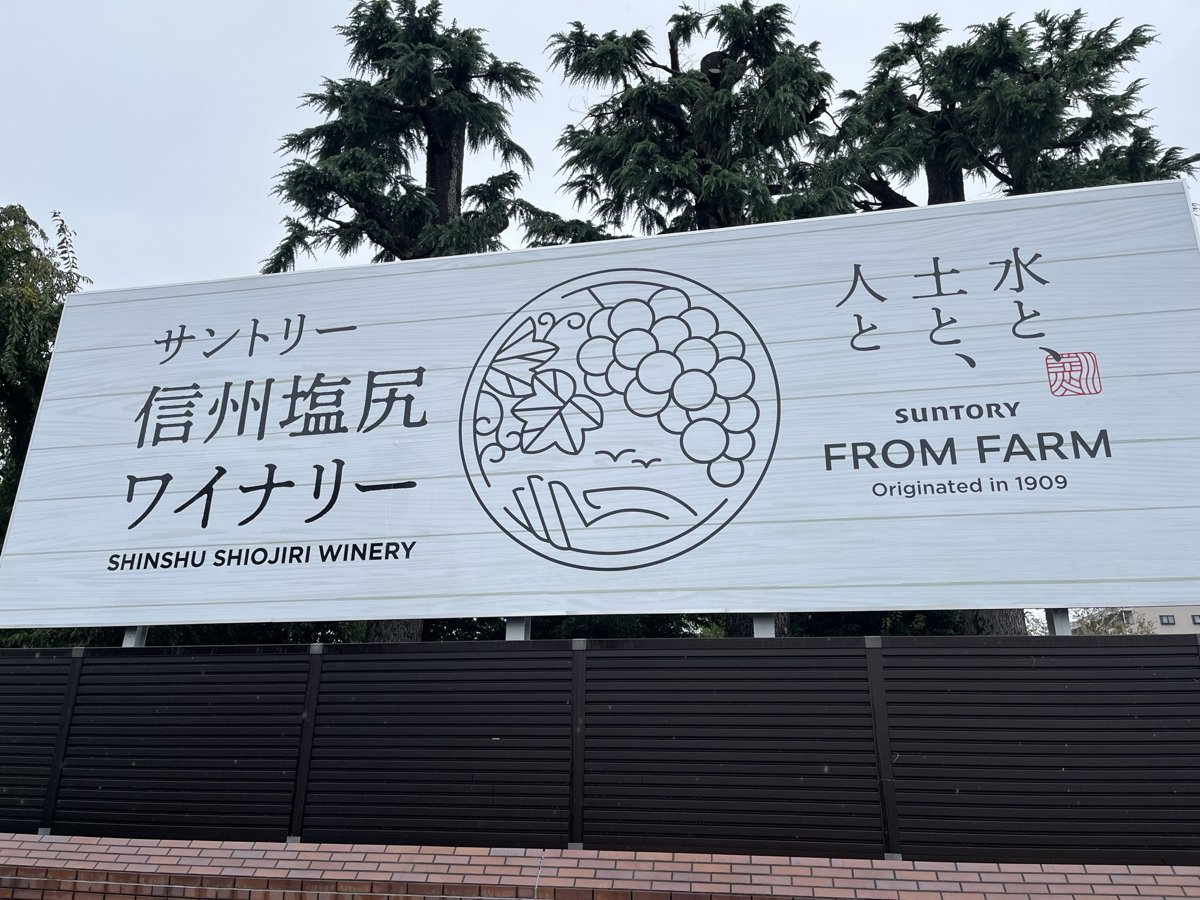
Chateau Mercian Kikyogahara Winery is open only a few days a year. Its public open days are limited (12:30–4:00 p.m.); the last one in 2026 is October 31. I passed by on September 26, when it was closed. Check the official calendar (in Japanese) before planning around it.
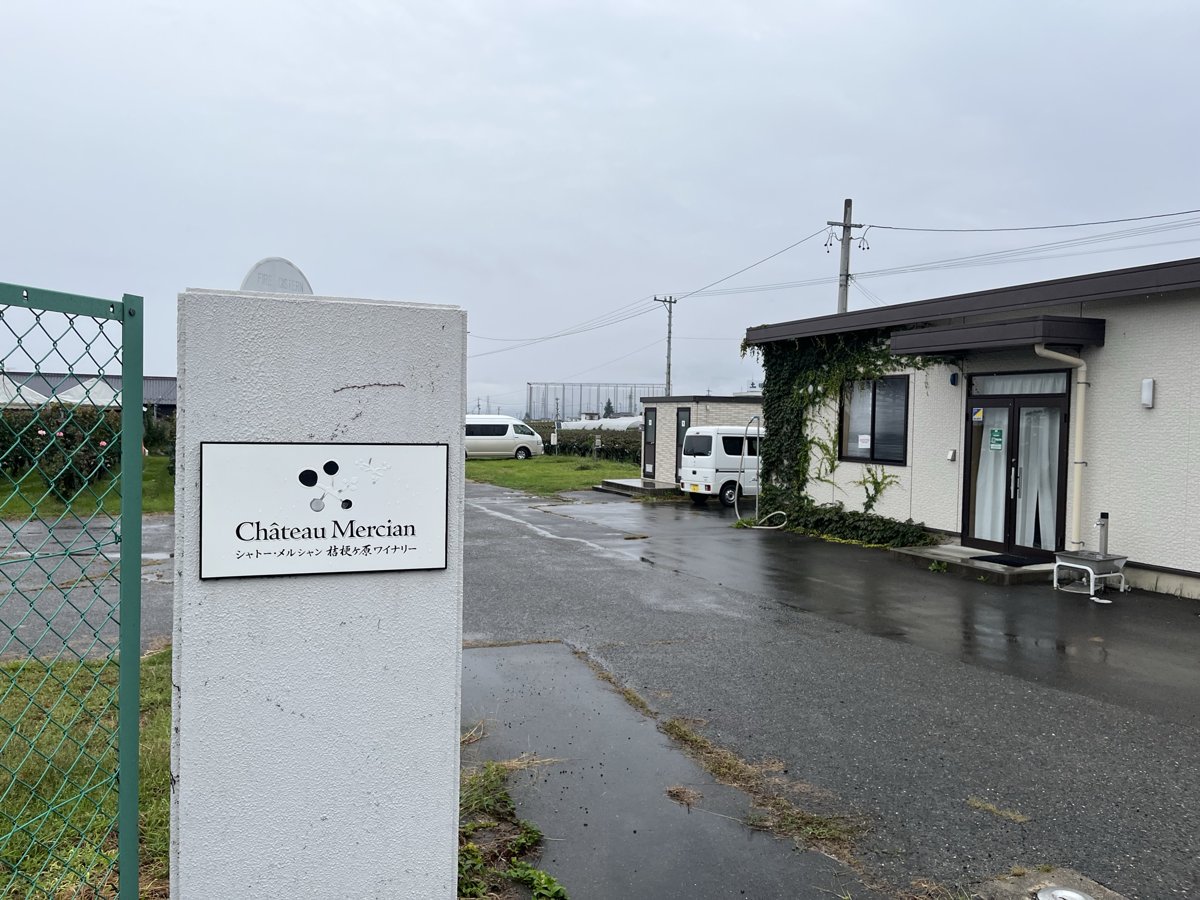
Suntory’s Shiojiri Winery is outside-only. It’s an easy walk from the station, but it isn’t open to the public for tours, tastings or sales, except at special events. Both of these facts were on the official sites before I went, so a little research saves disappointment.
Walking into the vineyards
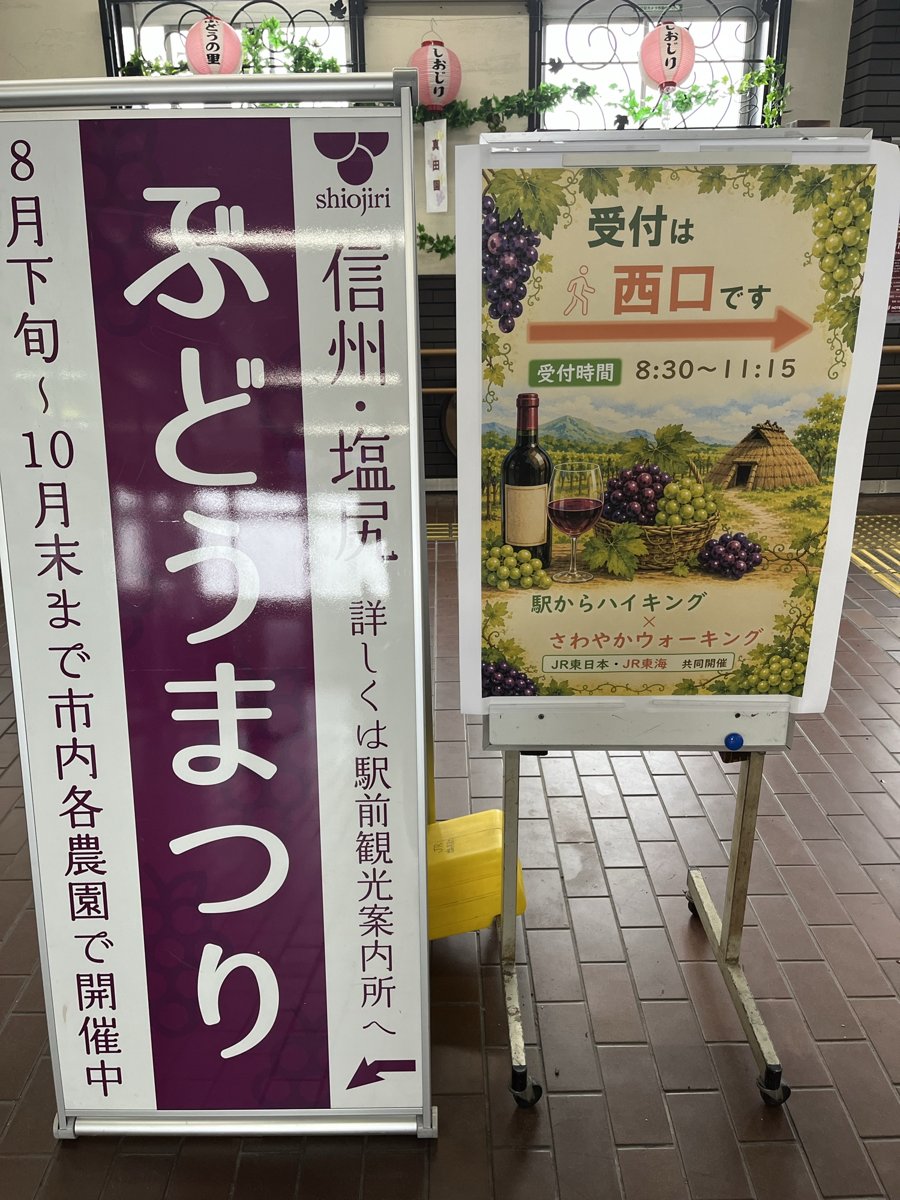
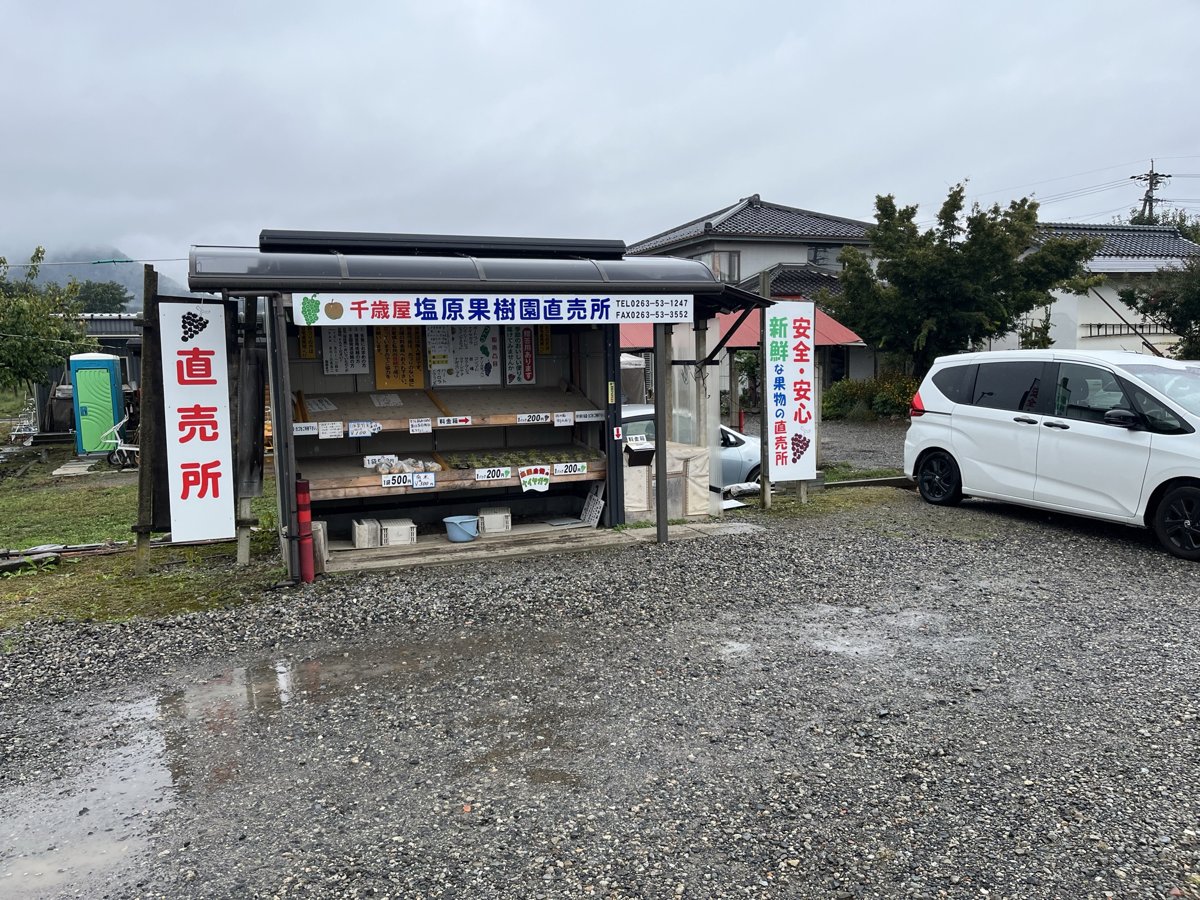
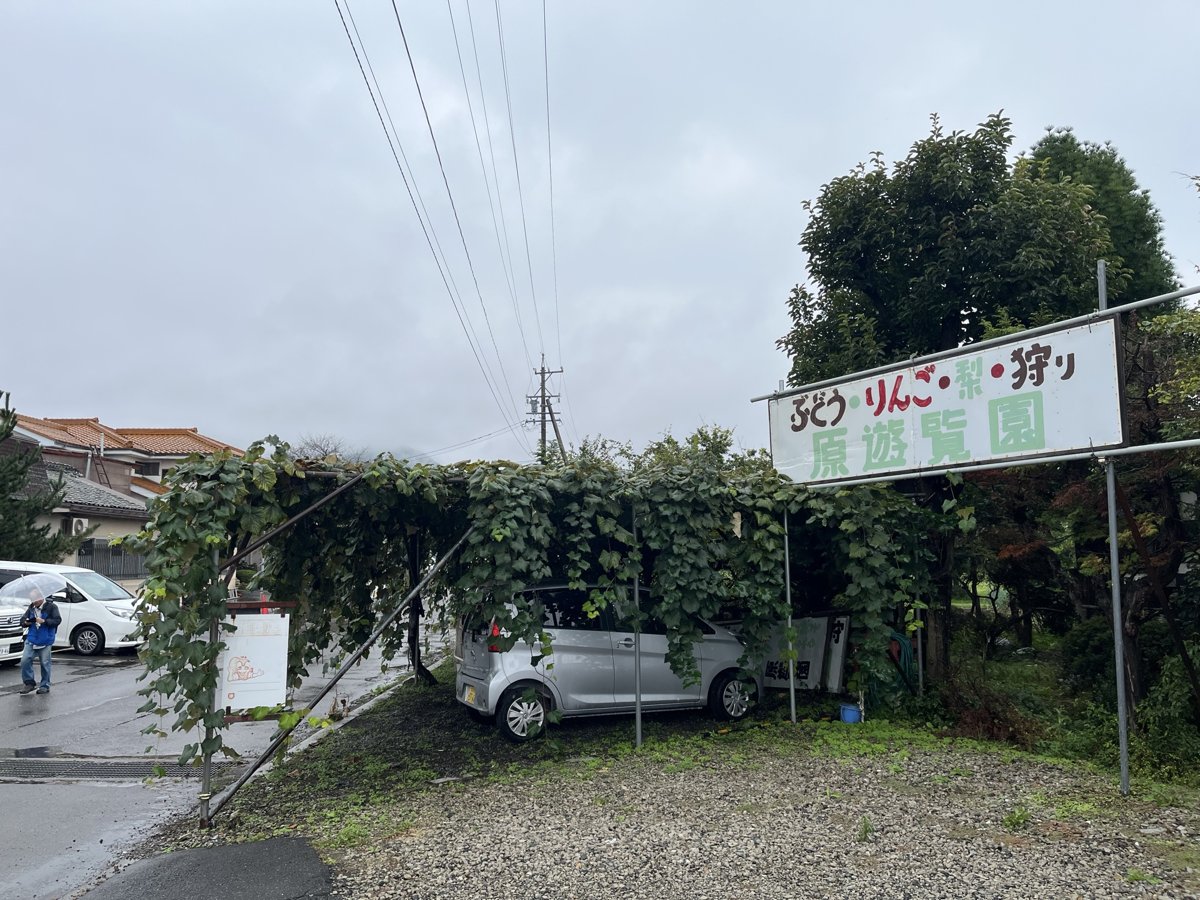
A short walk from the station, vineyards and roadside fruit stands start to appear. September is harvest time, and the vines were full of grapes. It rained all day; this autumn was unusually wet across Japan. On a sunny day, the walk through the vineyards would be lovely.
Izutsu Wine: free self-service tasting
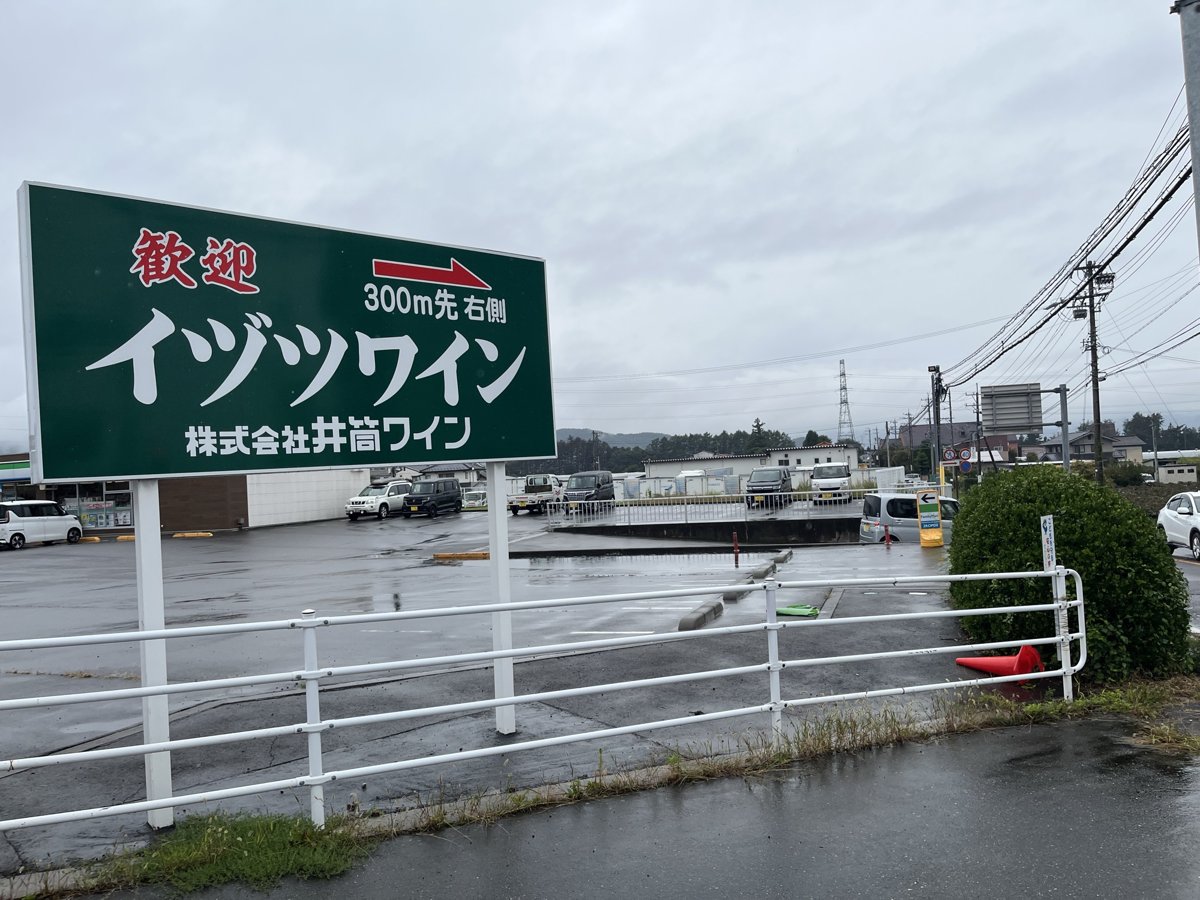
The first stop was Izutsu Wine, easy to spot by its red-brick building. It felt farther from the station than I expected.
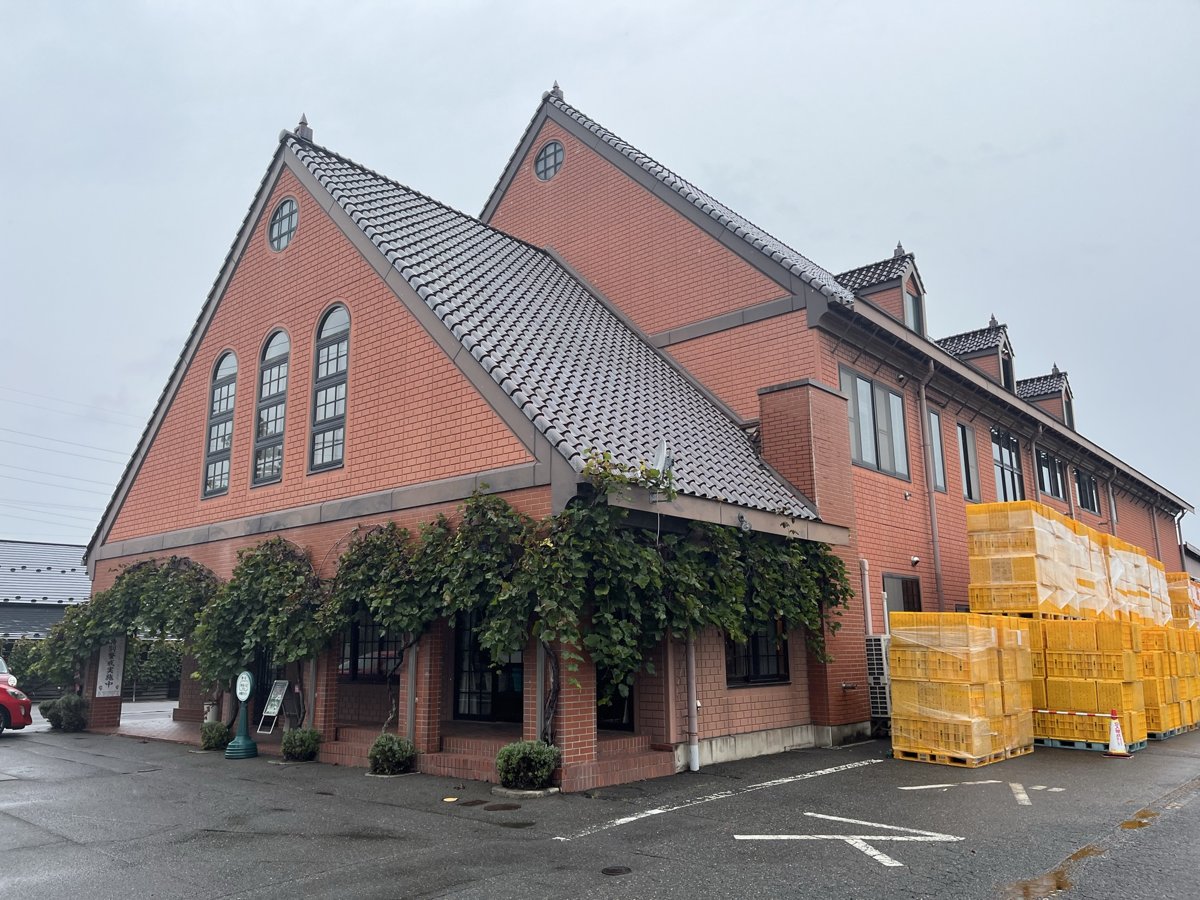
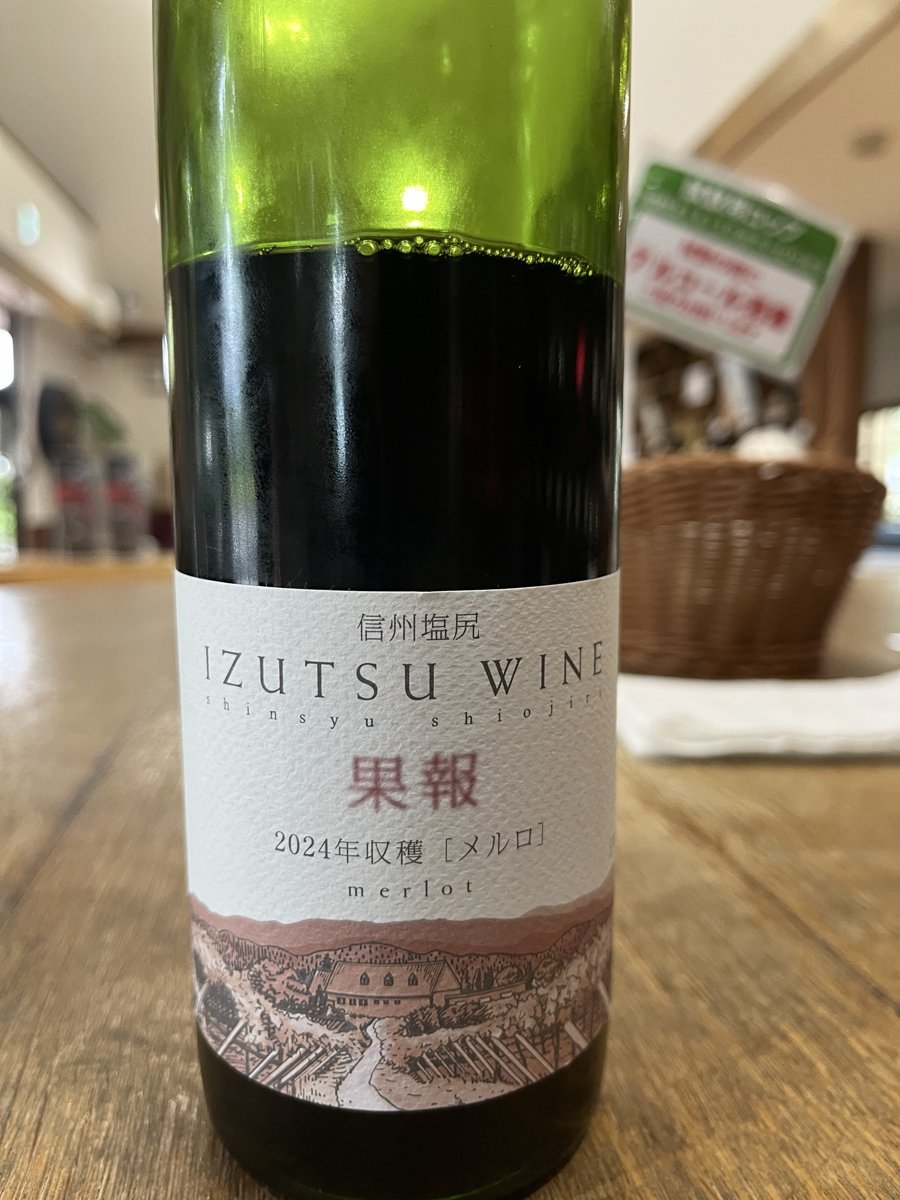
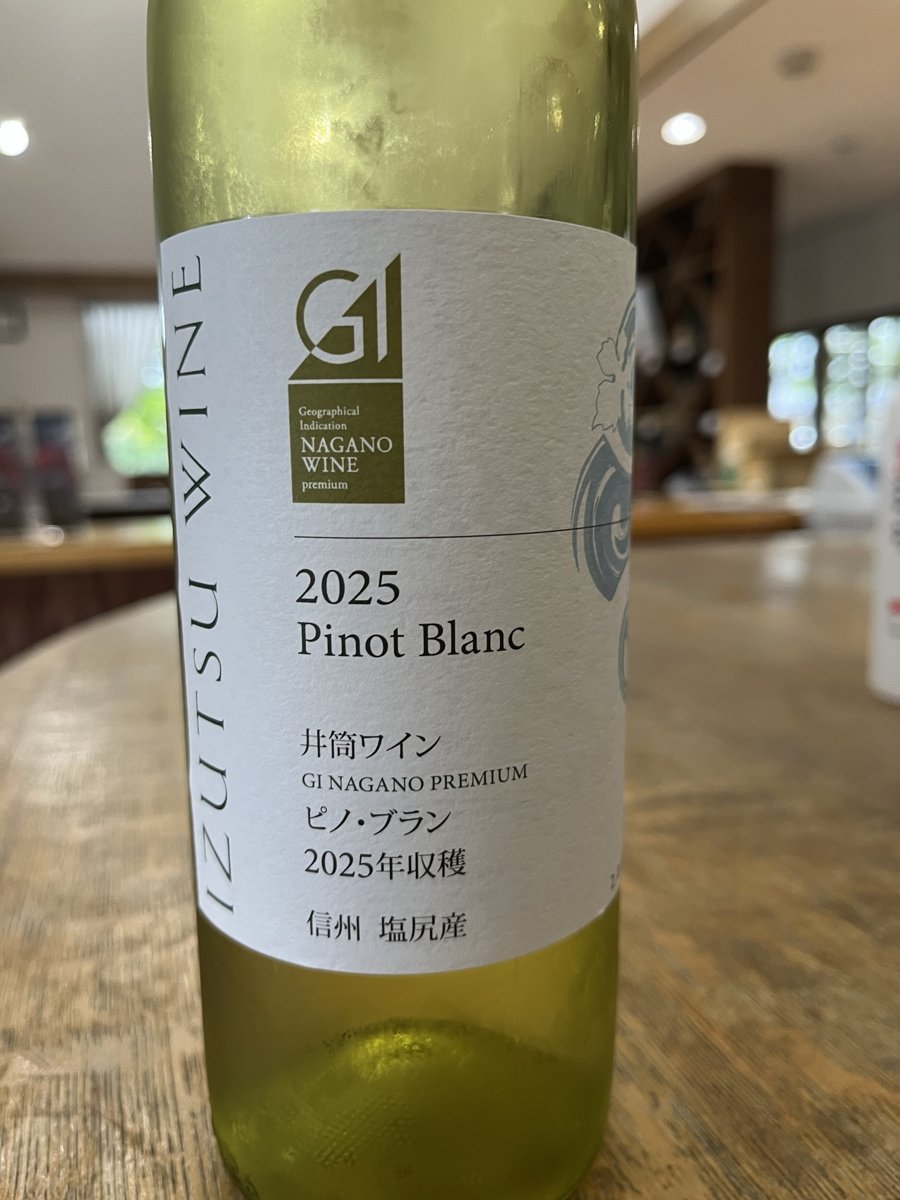
Izutsu has more than 30 wines you can taste for free, self-service. These are the five I chose, with my scores:
- Kaho Merlot 2024 (4): purple, with earth and dried-leaf notes, medium to full body and a long finish. I’d pair it with savory simmered dishes or a burdock root hot pot.
- Muscat Bailey A 2024 (3.5): fresh strawberry aromas, light and sweet. With a strawberry tart.
- Shinshu (3): a quiet nose with earth and berries, light to medium body.
- Niagara 2025 (3): apple and pear aromas, sweet, with a slight bitterness like grape seeds.
- Pinot Blanc 2025 (3.5): clearly high acidity, grapefruit and green apple. A memorable one. With a lemony acqua pazza.
I bought one bottle of an additive-free wine sold only at the shop (¥1,470).
Goichi Wine: a tasting server and a Merlot vine over 70 years old
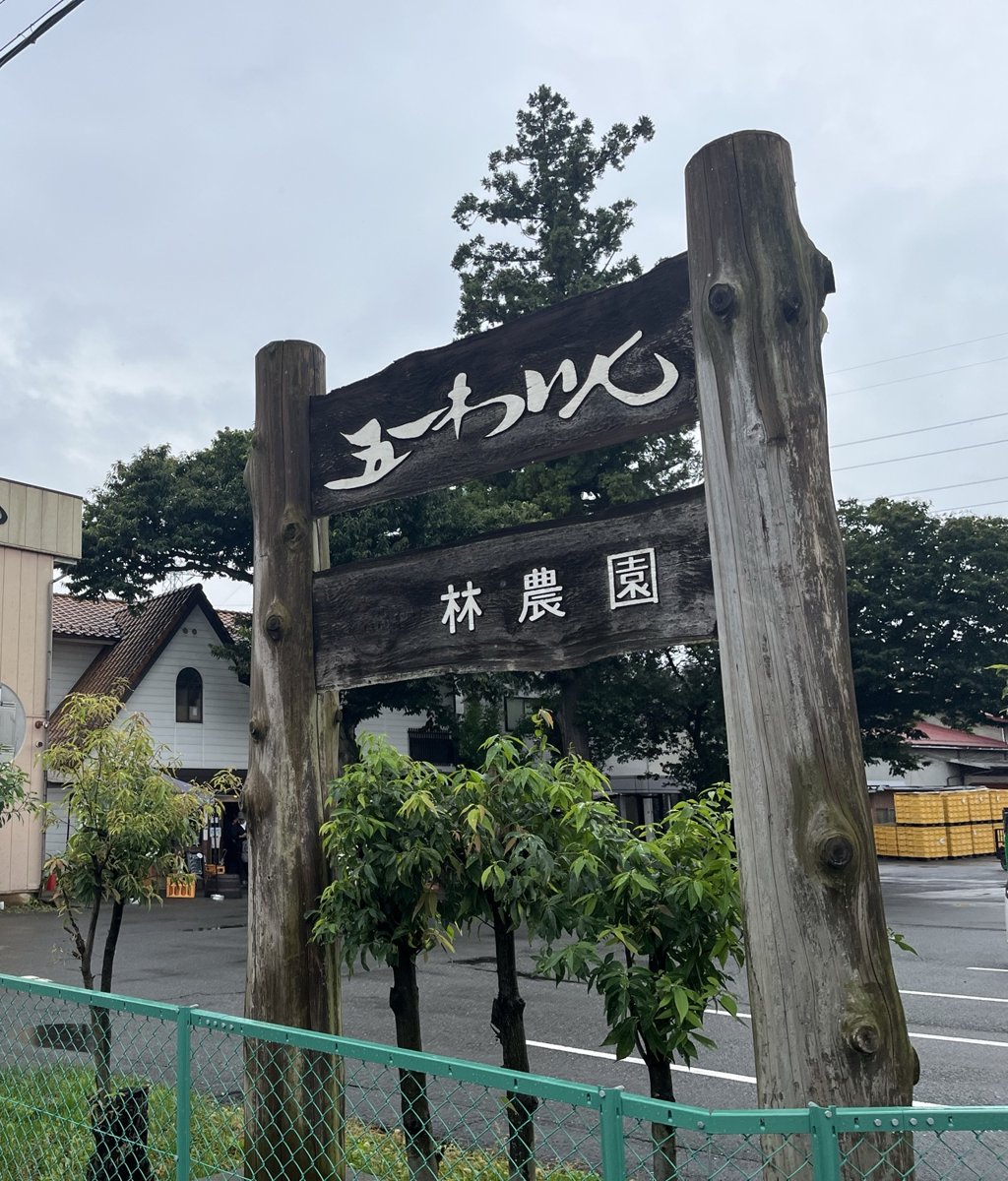
Goichi Wine (Hayashi Farm) is Nagano’s oldest winery: Goichi Hayashi began planting vines here in 1911 and started making wine in 1919. Tasting is from a server and paid: ¥500 gets you a plastic cup for six wines. Special wines are ¥500 each, poured into a tasting glass (a few tens of milliliters).
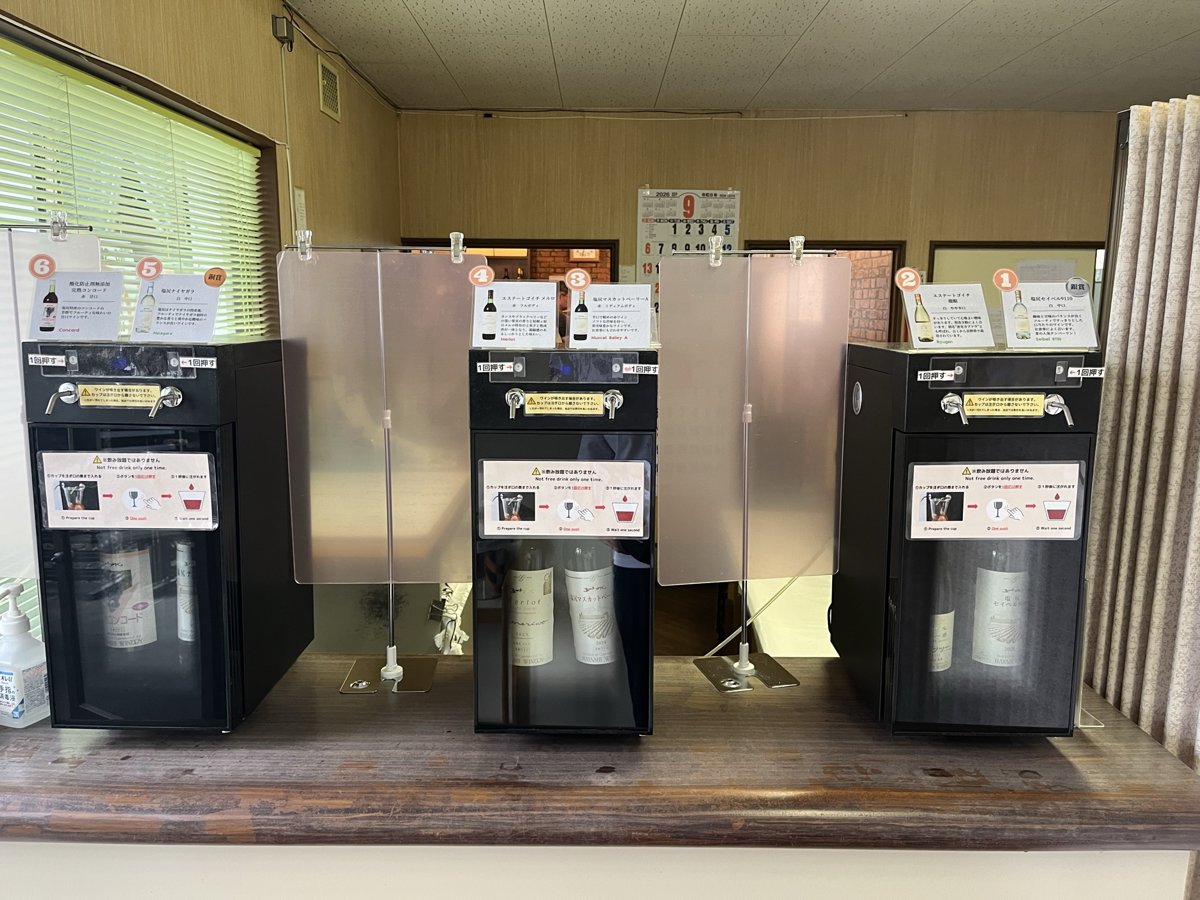
The six wines I tasted
- Ryugan (white): pale yellow, clean with soft acidity and a hint of sweetness. With sweet-and-sour vinegared dishes.
- Muscat Bailey A (red): very sweet strawberry aromas, wild-berry acidity and a little bitterness behind the sweetness. With meatballs in black vinegar sauce.
- Merlot (red, 4): cassis, berries and earth, cherry-like sweetness, medium body. With meat-stuffed shiitake.
- Niagara (white, 3): apple aromas and sweetness, light.
- Concord (red, 3): pale red with American cherry aromas, almost no acidity and a rich sweetness.
- Kikyogahara Merlot (red, 4.5): cassis, black cherry and wet earth, balanced acidity and a long finish.
My wine of the day was Goichi’s Kikyogahara Merlot. It recalls Bordeaux’s Right Bank, yet it’s clean, with its own sweetness and lightness. I’d like to try it with a steak in sweet orange sauce.
Don’t miss the free vineyard walk
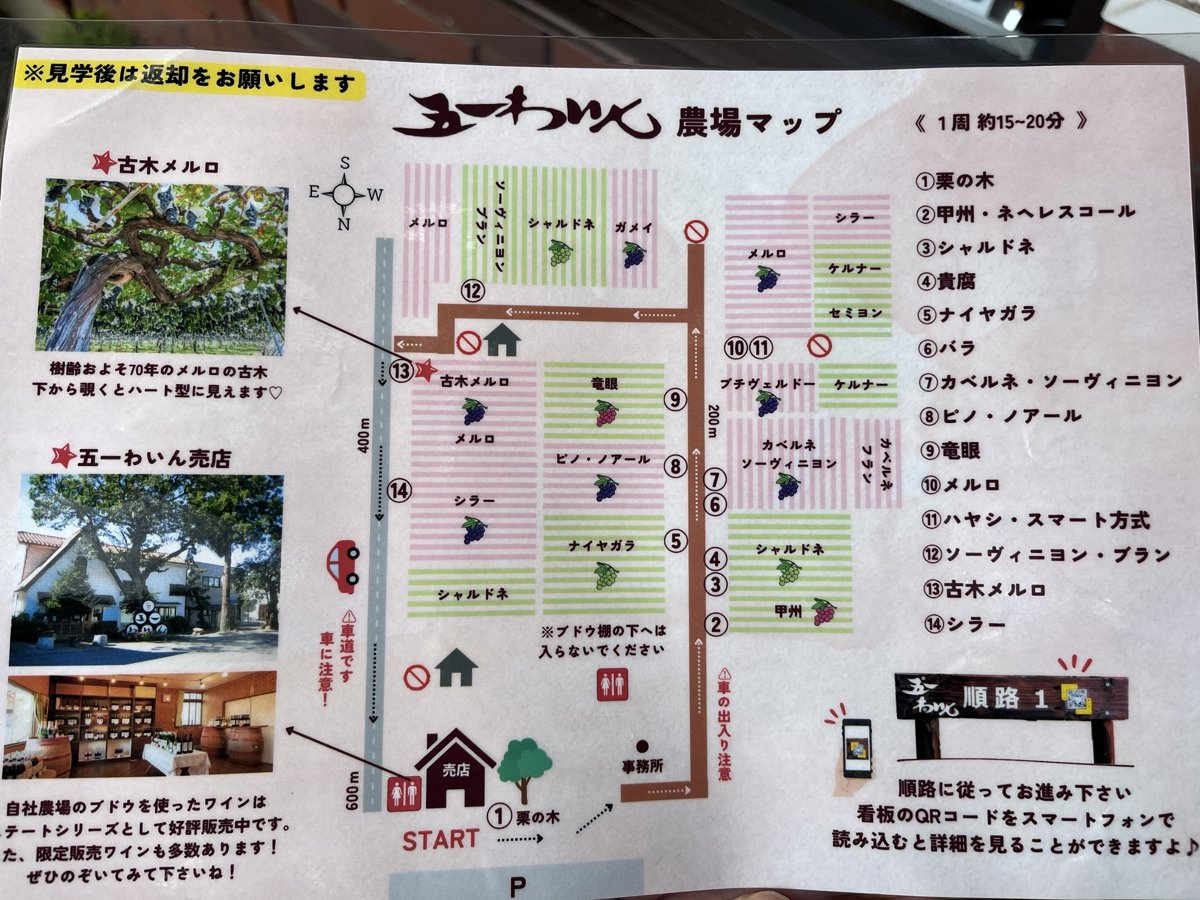
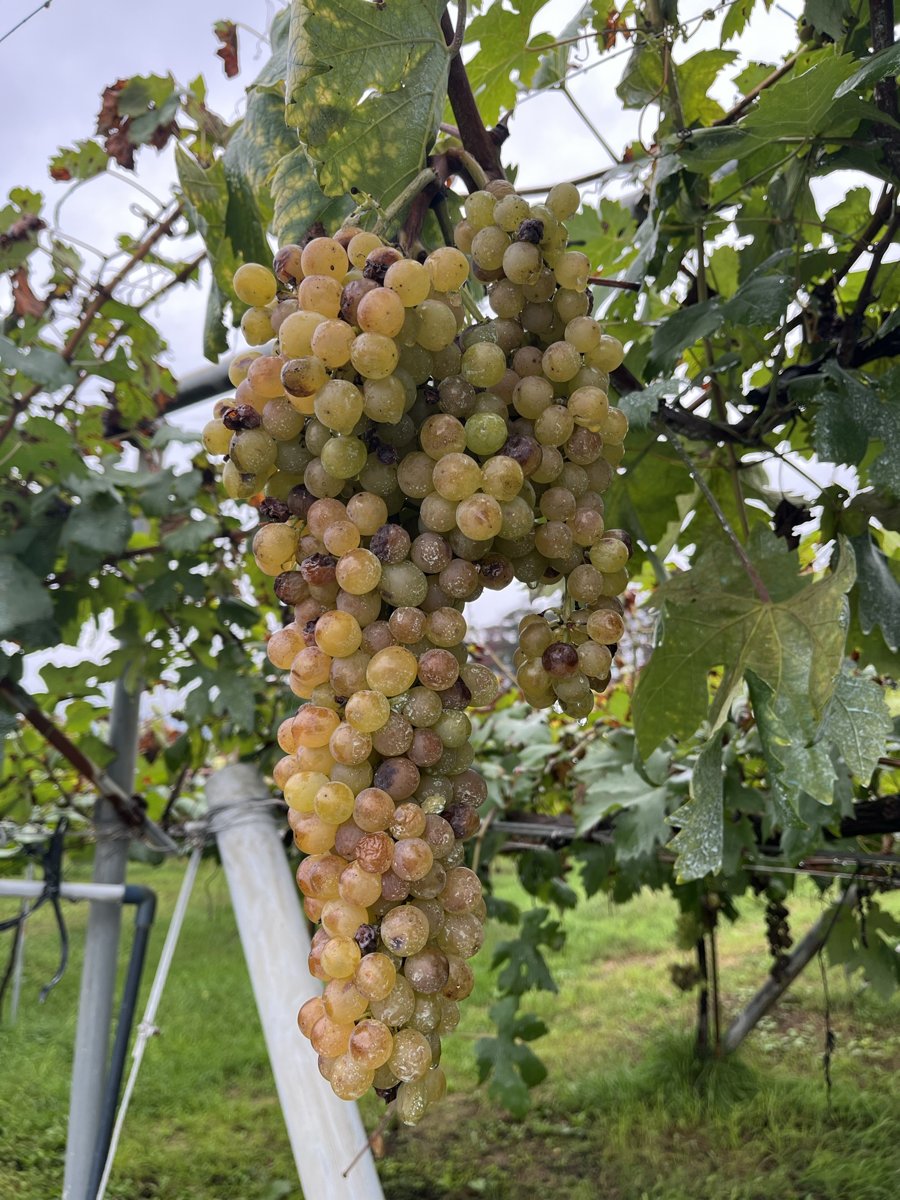
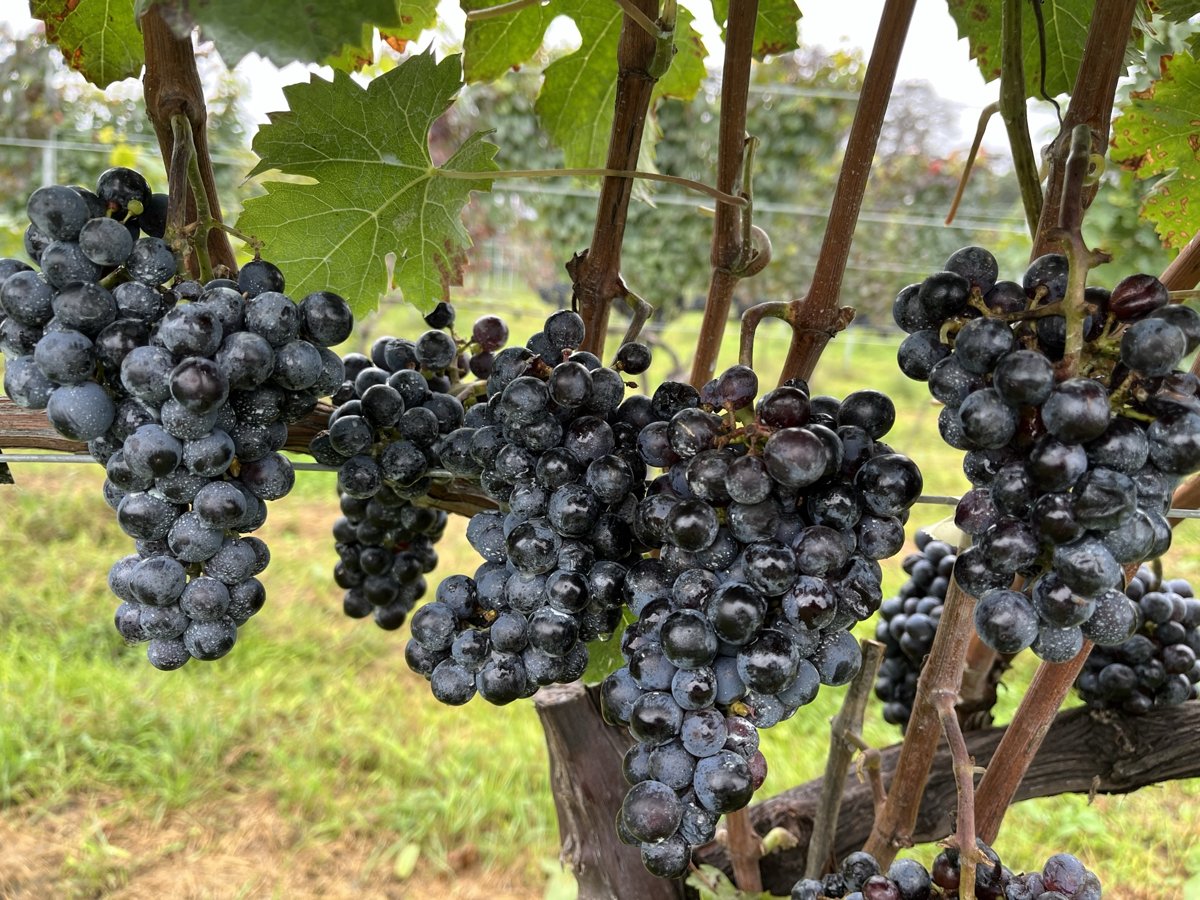
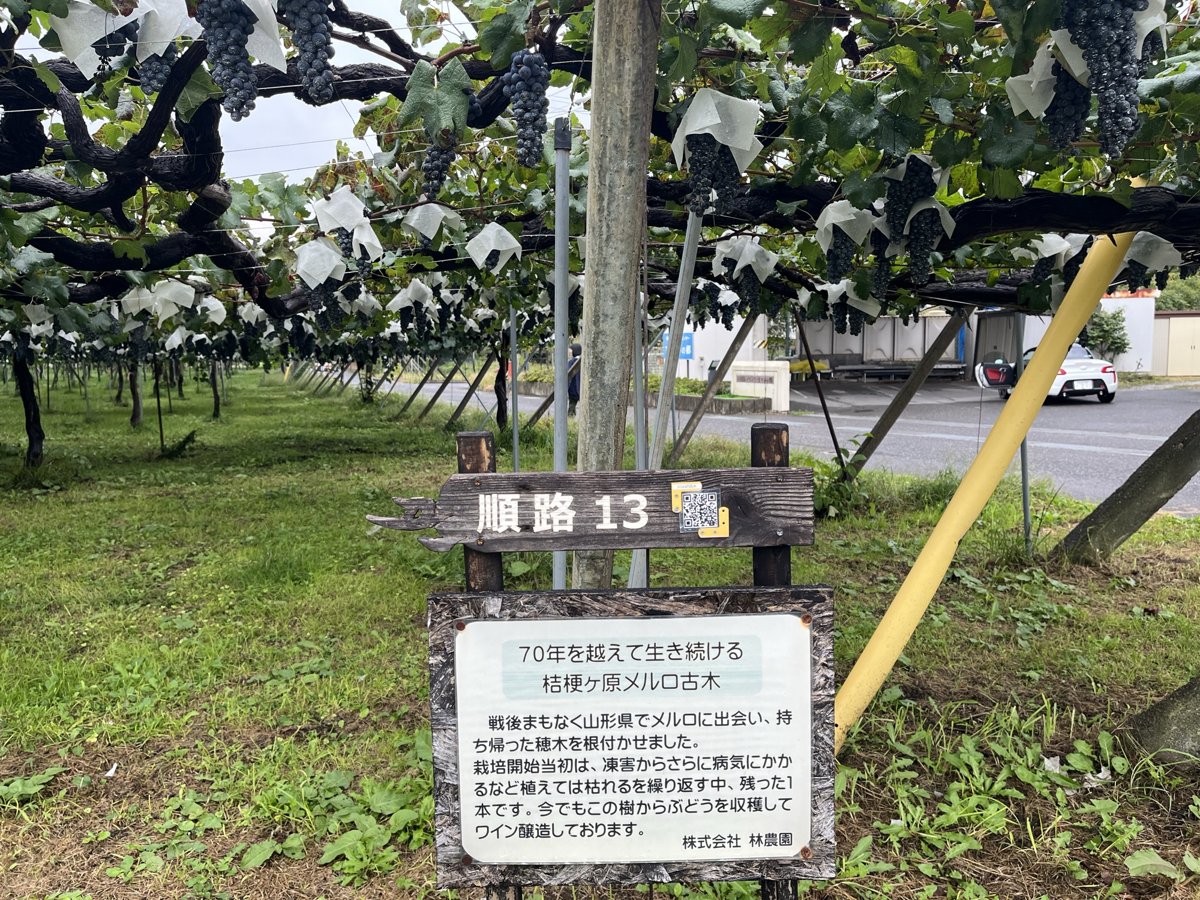
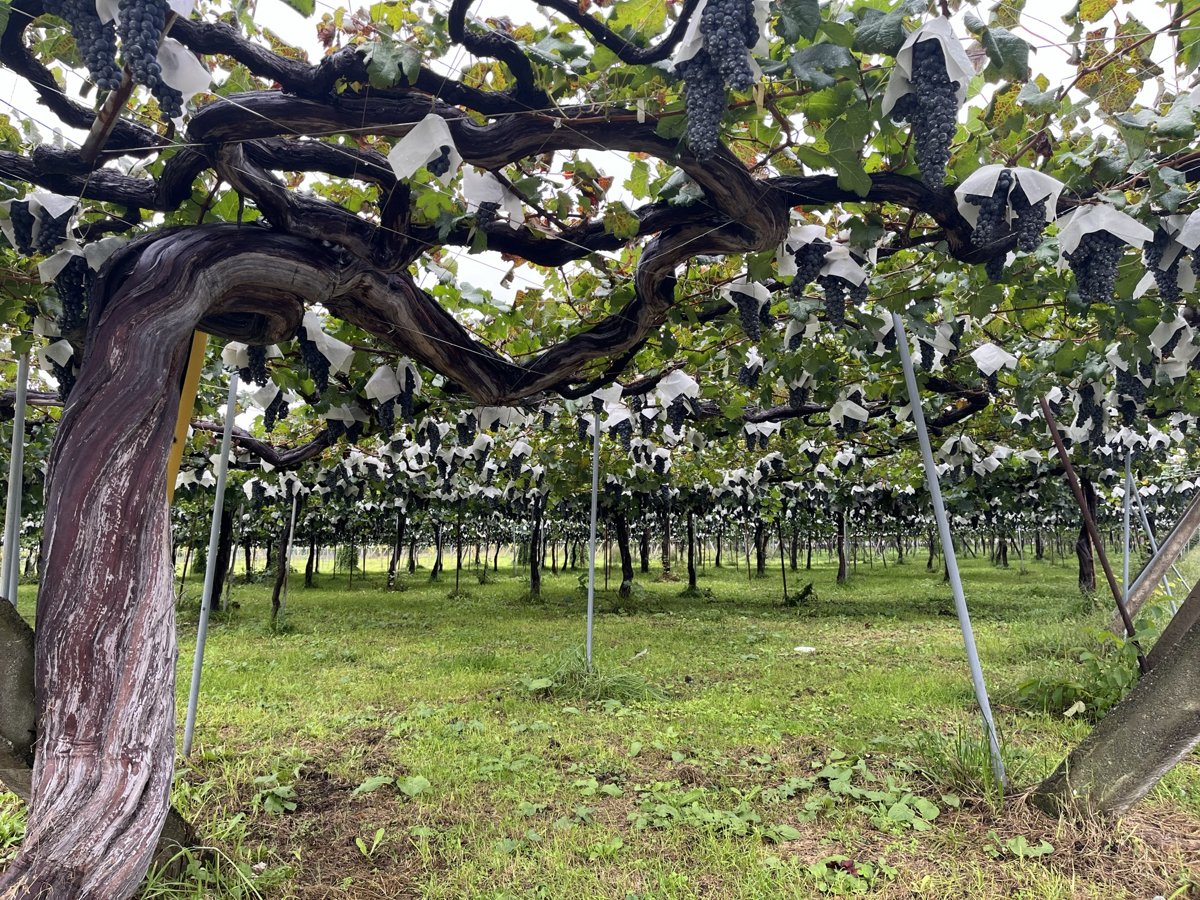
Goichi Wine offers a free vineyard walk with no reservation needed; it takes about 15 minutes. You follow a route on the farm map, past white grapes grown on overhead trellises and Merlot on vertical trellises, all hanging with fruit before harvest.
Along the way is a sign for “the Kikyogahara Merlot vine that has lived for more than 70 years.” Cuttings brought back from Yamagata Prefecture soon after the war were rooted here, and as other vines died from frost and disease, this one survived. Wine is still made from its grapes.
Shinano Wine: past the road with no sidewalk
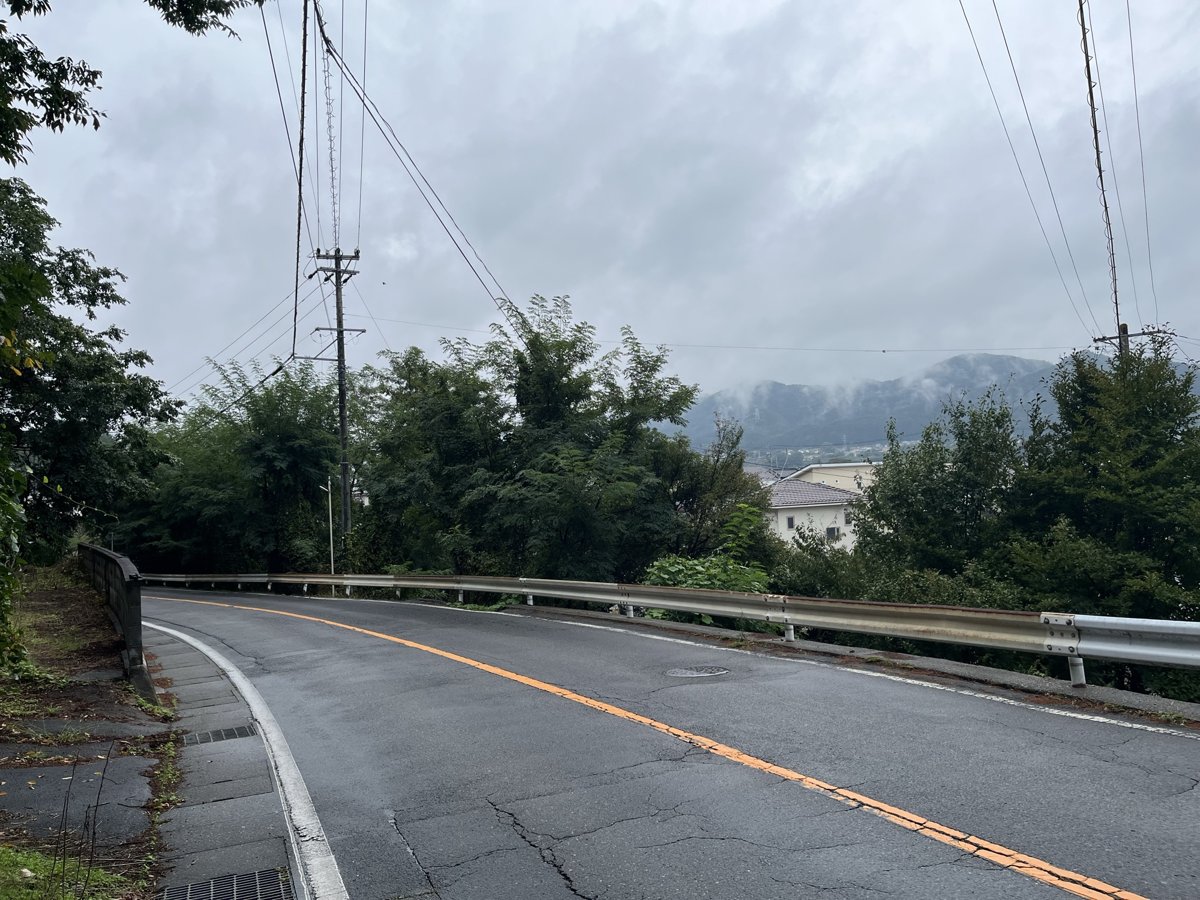
Shinano Wine is farther on from Goichi. Part of the way has no sidewalk, so watch out for cars.
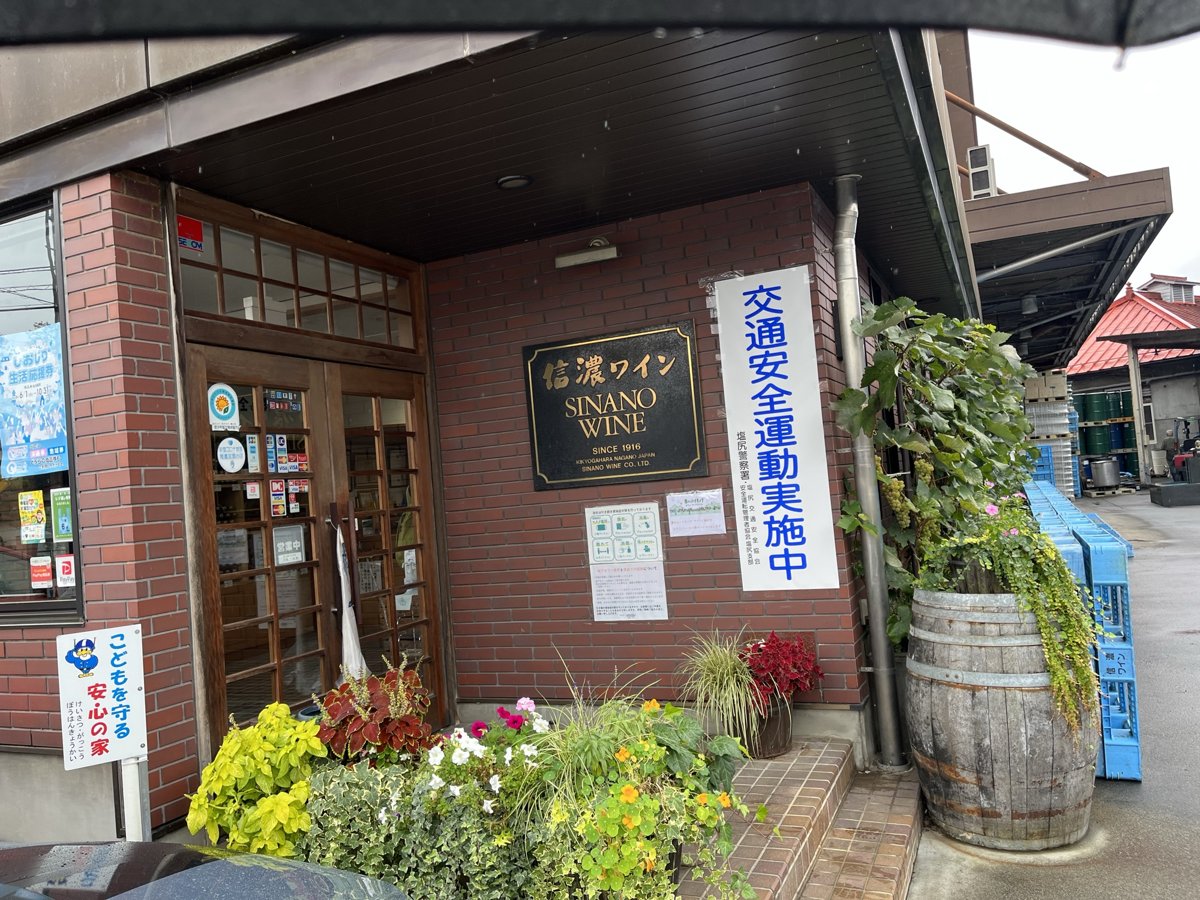
The three wines I tasted:
- Kikyogahara Chardonnay 2019 (3.5): nearly clear pale yellow; yogurt-like aromas with pear and oak. Thick acidity and a grapefruit-like bitterness. With white fish carpaccio.
- Kikyogahara Merlot 2020: high in alcohol. The earthy notes are subtle at first and gradually come through. Full-bodied with a firm structure, acidity and tannin.
- Kikyogahara Cabernet Sauvignon 2014: orange-tinged mahogany. Mature aromas with green pepper and fern. It reminded me of an aged 1990s French wine; honestly, it felt past its peak rather than nicely aged (just my personal impression).
My phone battery died here, so I have no photos inside the shop or of the tasting. If you’ll be taking lots of photos while walking, bring a power bank.
Honest thoughts on walking
In short: it’s tiring. Izutsu was farther than I thought, and Shinano was farther still. There are hills, and it was raining. Walking from Shinano Wine back to Shiojiri Station took 20–30 minutes.
I’d wanted to see Kido Winery too, but it looked like I’d only be able to see it from outside, and I was tired, so I gave up.
I got back to the station around 2 p.m. There was no time for lunch near the wineries, so I had kakiage soba (¥550) at the standing soba counter in Shiojiri Station. This is Shinshu, after all: even standing-counter soba was in a different league from elsewhere (the kakiage was ordinary).
- A taxi will make the day easier and safer.
- If you’re in your twenties and confident in your stamina, walking may be fine. On a clear spring or autumn day, walking through the vineyards should be a pleasure.
- Be especially careful between Goichi Wine and Shinano Wine, where there’s no sidewalk.
I didn’t use it, but Shiojiri has a Shiojiri Wine Taxi for winery visits, run through the Shiojiri Tourism Association. Two hours costs from ¥19,900 without a guide (1–4 people) or from ¥22,900 with a wine guide (1–3 people), tastings extra, and you must book by 5 p.m. 14 days before. The booking form is in Japanese.
Staying in Matsumoto: an evening walk around the castle
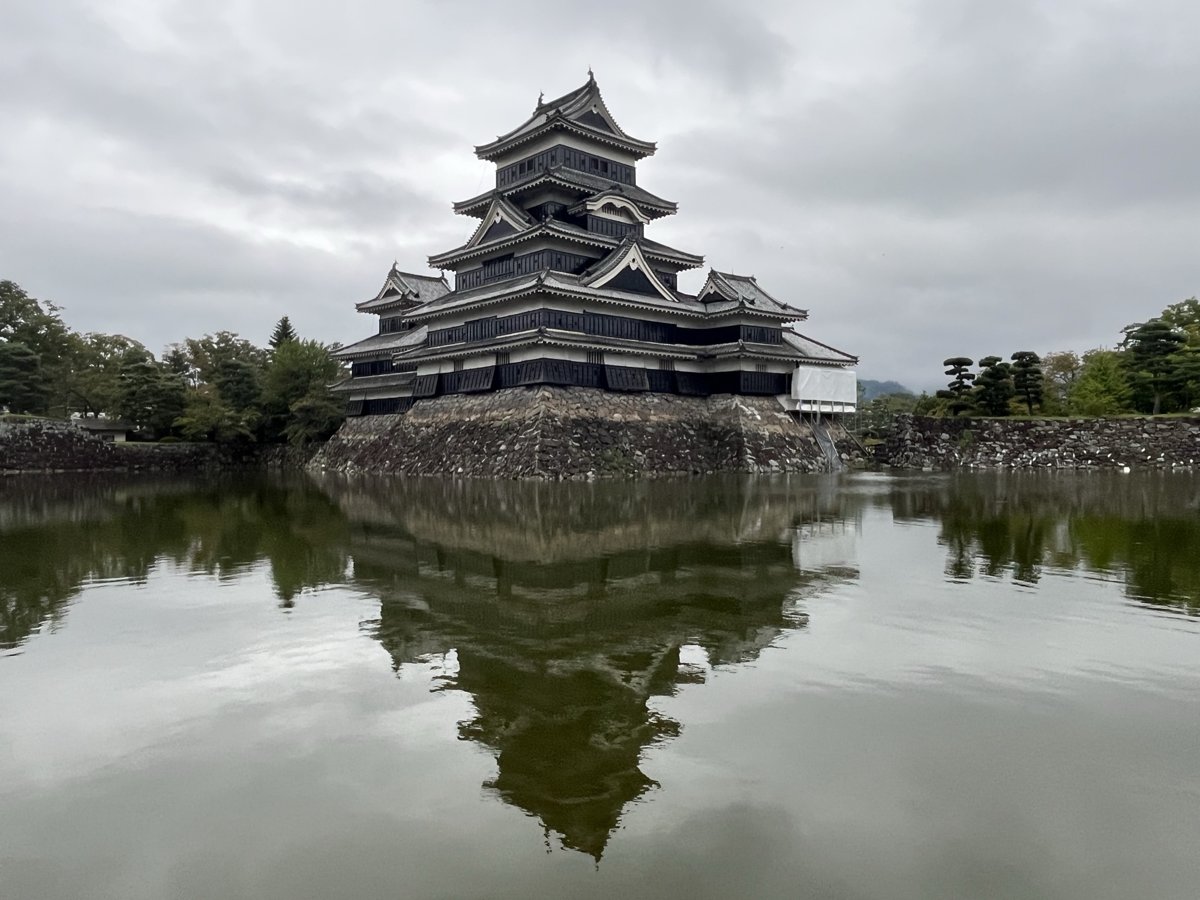
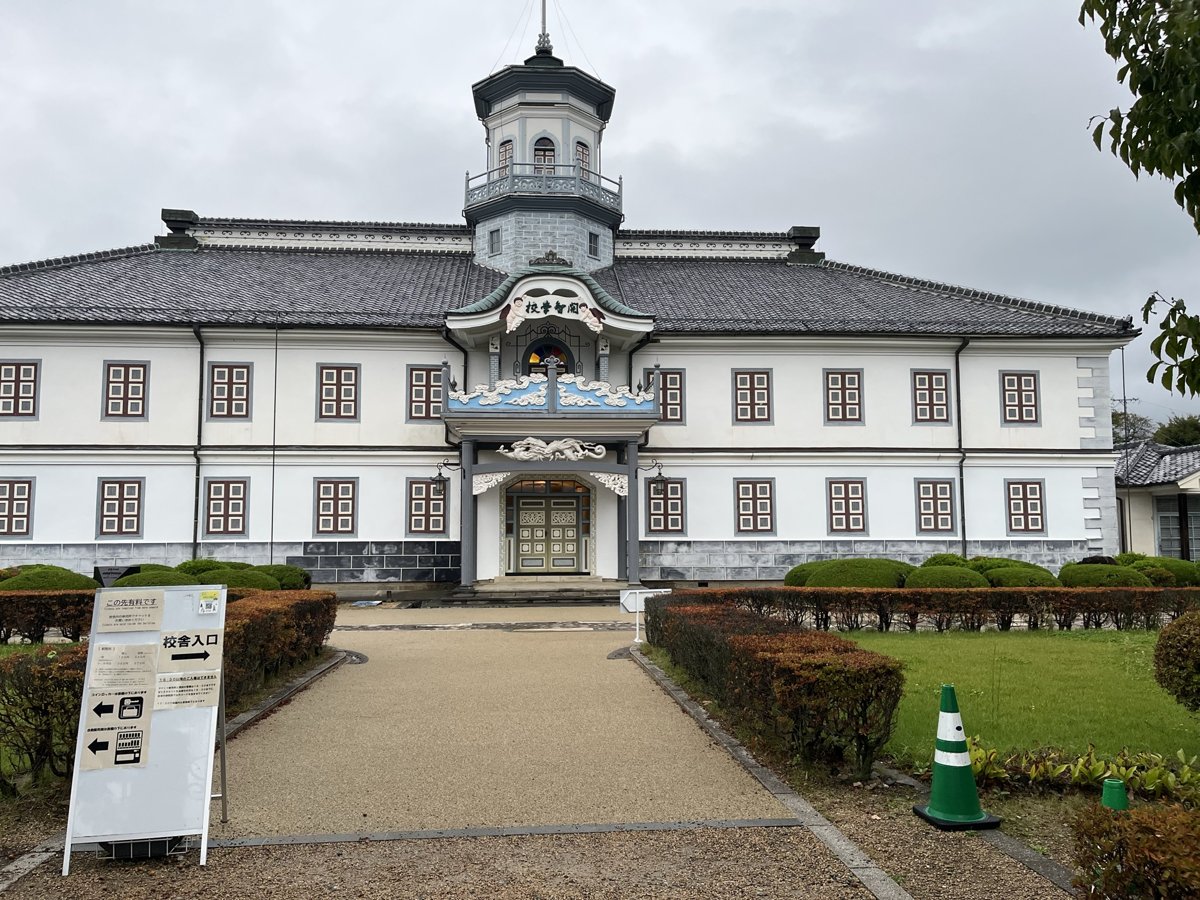
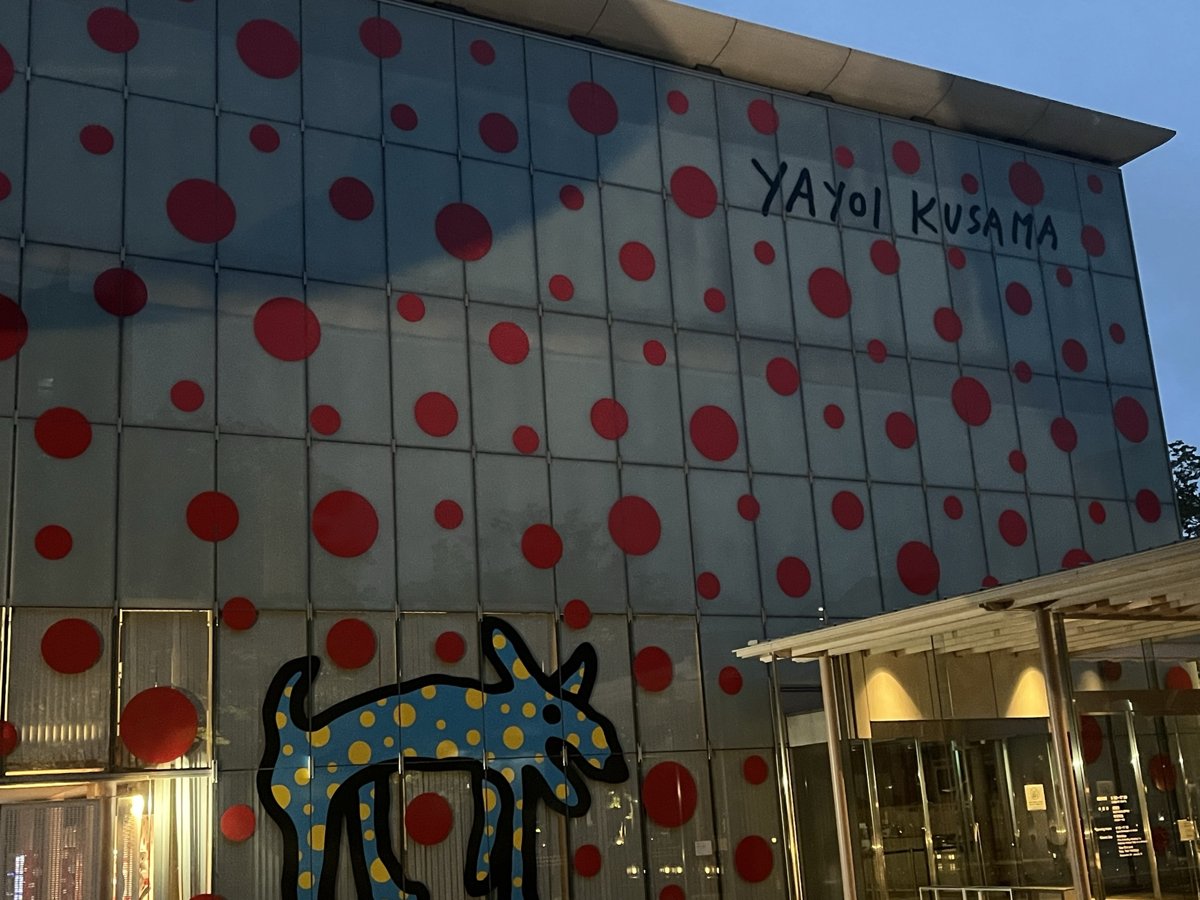
After checking in at my hotel in Matsumoto, I walked around Matsumoto Castle before dinner, and it was well worth it. There were lots of international visitors, and it pairs well with a winery day. Nearby are the Former Kaichi School, a National Treasure, and the Matsumoto City Museum of Art, known for Yayoi Kusama’s work.
Yayoi Kusama in her hometown
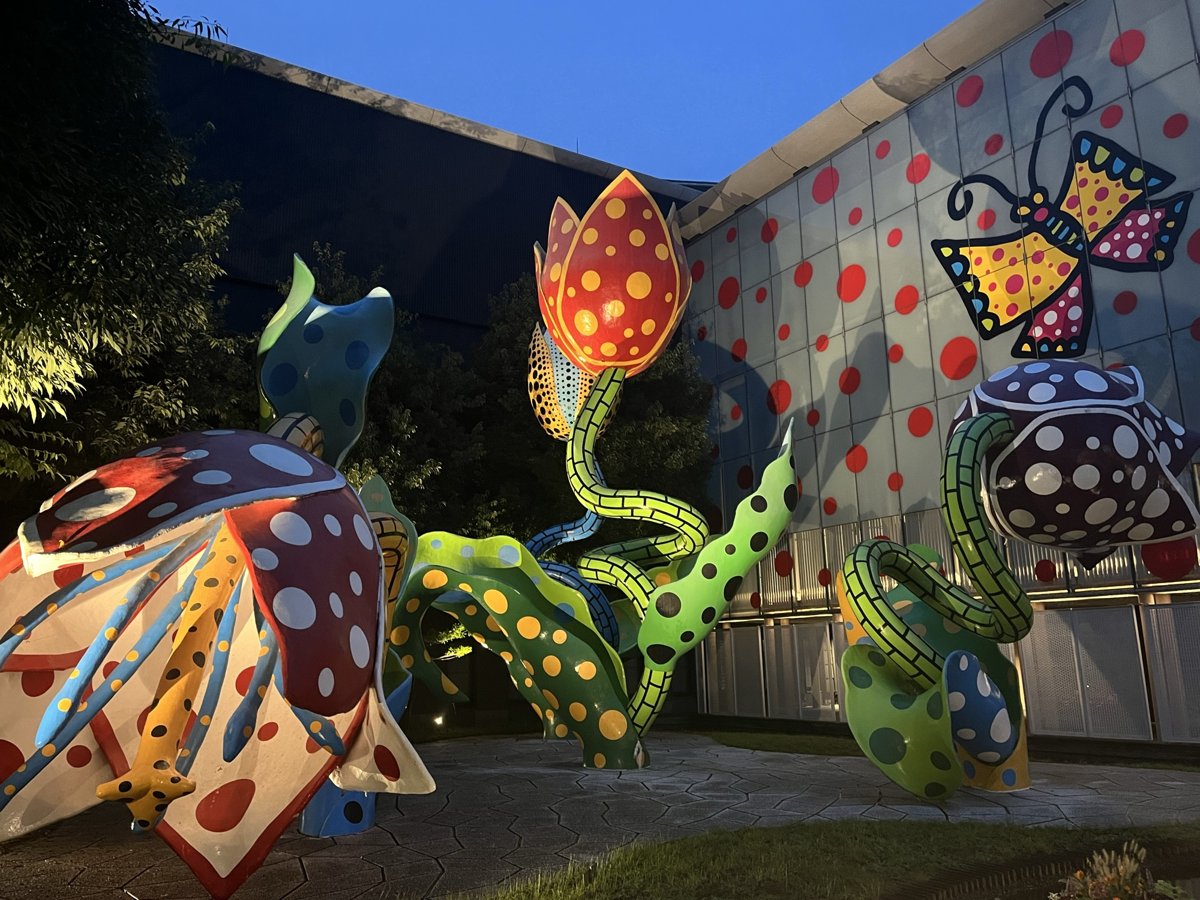
The Matsumoto City Museum of Art holds a year-round featured exhibition, “Yayoi Kusama: The place for my soul,” which traces her work from her childhood drawings onward. Outside the entrance stands The Visionary Flowers (2002), her giant cluster of polka-dotted flowers. The museum is open 9:00 a.m. to 5:00 p.m. (last entry 4:30 p.m.) and closed on Mondays; the collection exhibition costs ¥800 (¥700 online). Check the museum’s website before you go.
About Yayoi Kusama: Kusama was born in Matsumoto in 1929 and began drawing polka dots and nets as a child. She moved to the United States in 1957 and made her name in New York with net paintings, soft sculptures and installations using mirrors and lights. She returned to Japan in 1973 and went on to become one of the world’s best-known artists, famous for her polka dots, pumpkins and Infinity Mirror Rooms. She died in Tokyo on August 14, 2026, at the age of 97.
Dinner in Matsumoto: finally meeting Kido Winery
At dinner at Bistro CENTIME in Matsumoto, I found wines from Kido Winery of Shiojiri.
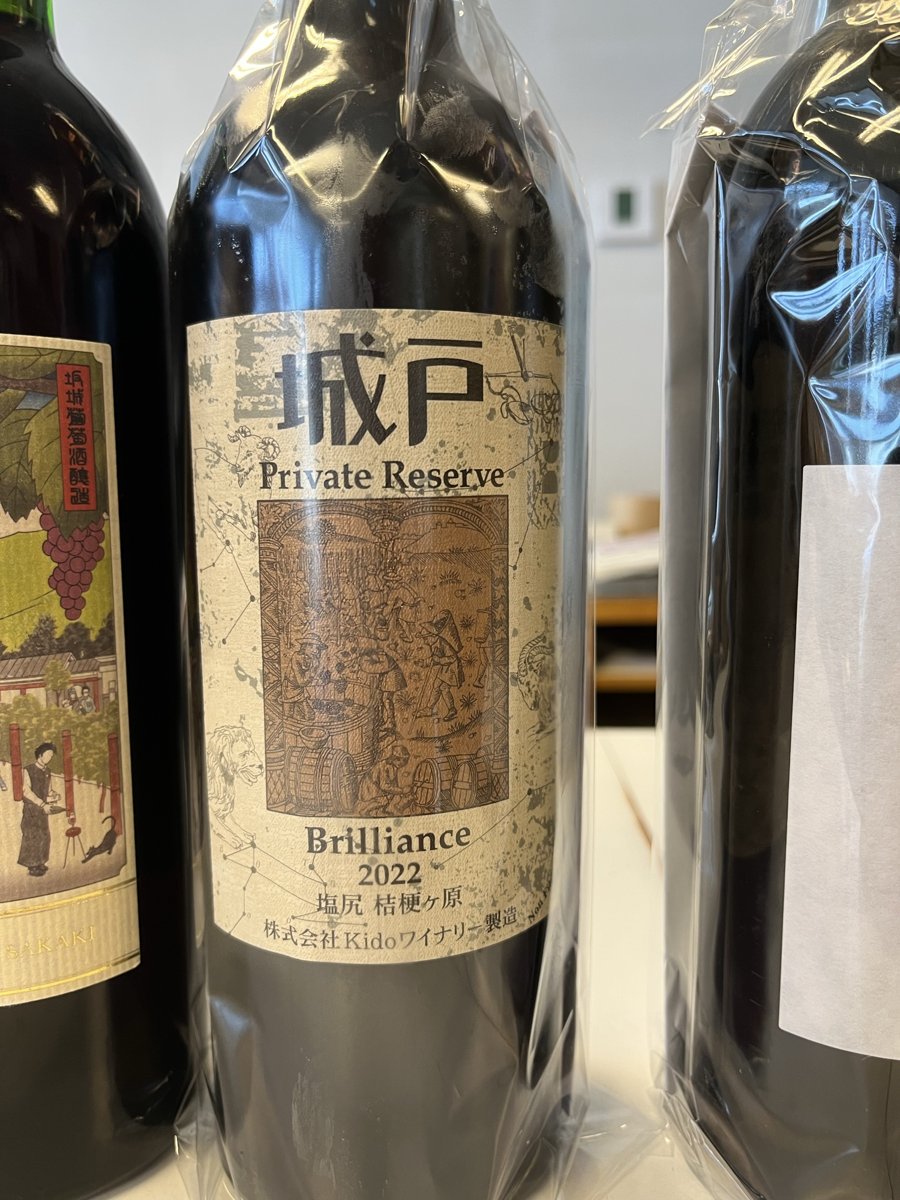
In early August, on my way back from a work trip to Nagano, I stopped in Obuse. At a liquor shop’s campaign, buying wine got me a lottery ticket, and I won the right to buy a bottle of Kido Winery Private Reserve Brilliance 2022. And here, at this bistro, were Kido’s wines.
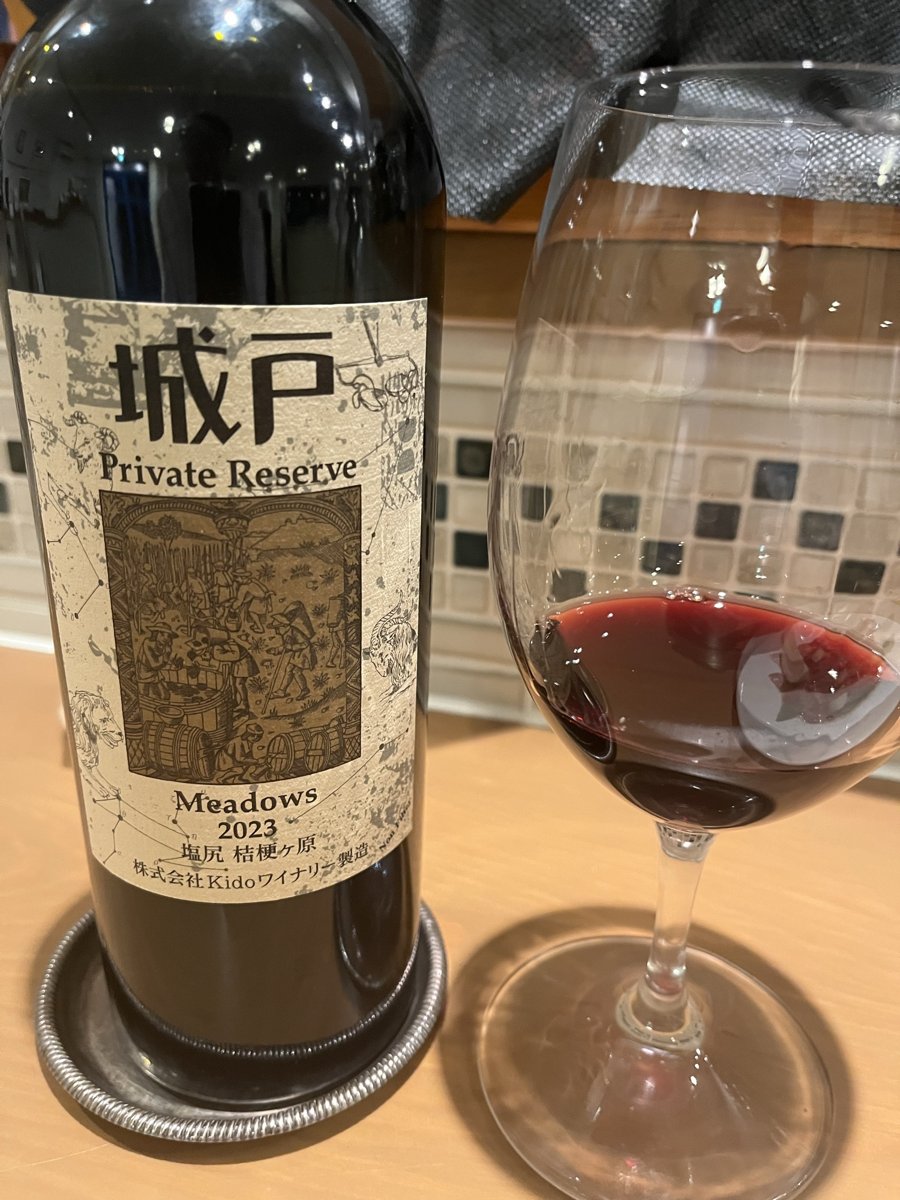
That night I compared two bottles of Kido Private Reserve: Meadows 2023 and Brilliance 2023, at ¥15,000 a bottle. The lottery story got the conversation going with the staff.
The best wine of my two days was Meadows 2023. Plenty of fruit, cassis and berries, with the earth, tobacco and dried-leaf notes typical of Kikyogahara Merlot, but not too strong. Smooth and silky, with tannins that give depth, and a long, smooth finish. Brilliance 2023 was delicious too; the difference came down to my mood and taste that night. Plenty of people prefer Brilliance.
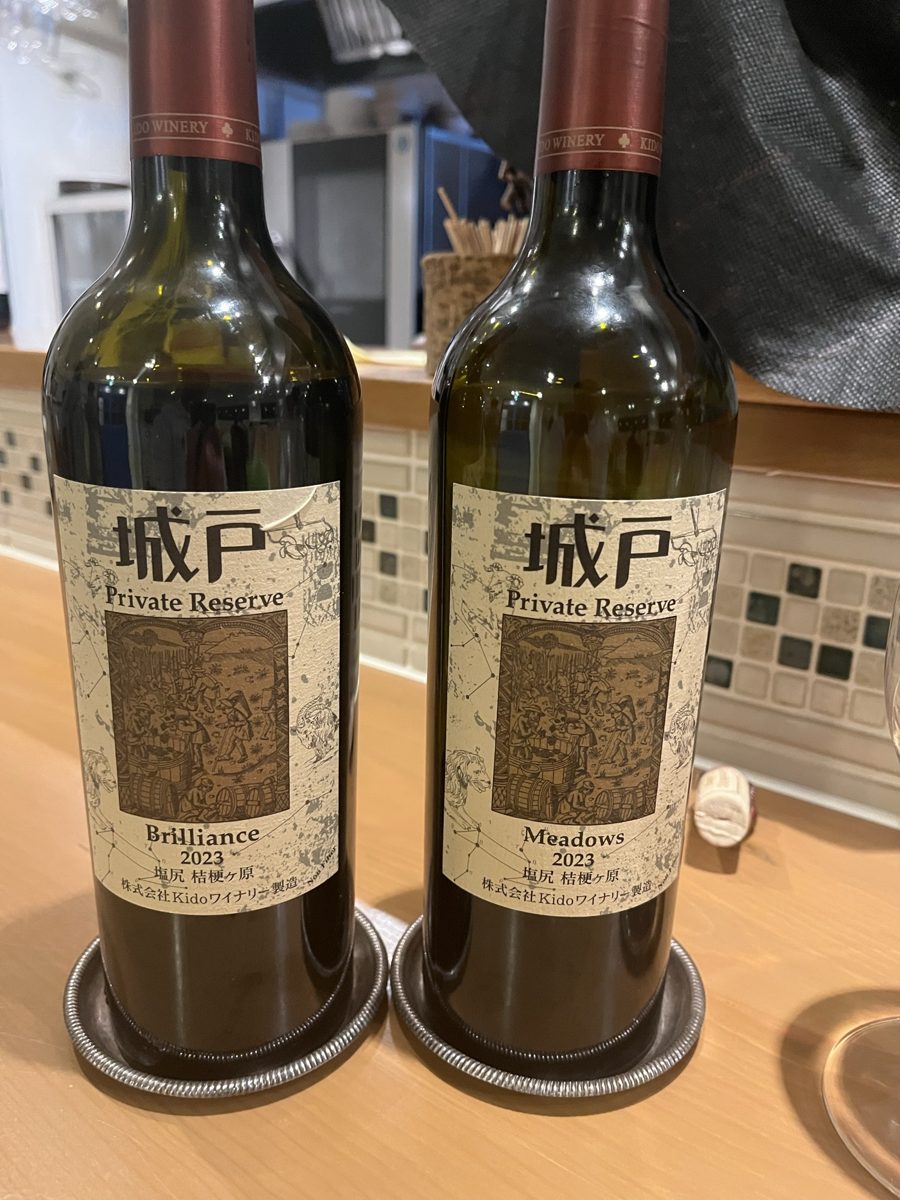
According to the staff, Kido Winery takes part in an event in Matsumoto during the nouveau season. Kido also makes Pinot Noir, but it’s very rare and some years they don’t make it at all. There’s even a newsletter called “Kido Tsushin.”
Akito Kido gained his winemaking experience at Hayashi Farm, the Goichi Wine I’d visited that day, and founded Kido Winery in 2004. He is one of the “Usuke Boys,” young winemakers influenced by Usuke Asai, a former Chateau Mercian plant manager. I wrote more about the Usuke Boys in my day trip to Katsunuma and Chateau Mercian.
What the day cost
- Izutsu Wine tasting: free
- Additive-free wine from Izutsu: ¥1,470
- Goichi Wine tasting: ¥500 for six wines (special wines ¥500 each)
- Kakiage soba at Shiojiri Station: ¥550
- Local train, Shiojiri to Matsumoto: ¥260
- Kido Winery at Bistro CENTIME: ¥15,000 per bottle (I ordered two)
Shinano Wine’s paid tasting is extra.
Summary
Kikyogahara is a wine region you can explore on foot from Shiojiri Station, but the distances are longer than they look, and with hills and roads without sidewalks, combining walking with a taxi is the safer plan. The same Kikyogahara Merlot tastes different at each winery, and at Goichi you can meet a Merlot vine that has lived for over 70 years.
If you stay in Matsumoto, walk around the castle and look for a restaurant that pours Kikyogahara wines, like the Kido Winery bottles I found.
The legal drinking age in Japan is 20. Never drink and drive; visit wineries by train or taxi.